|
Nutritional Anthropology The
Bond Effect |
||||
 |
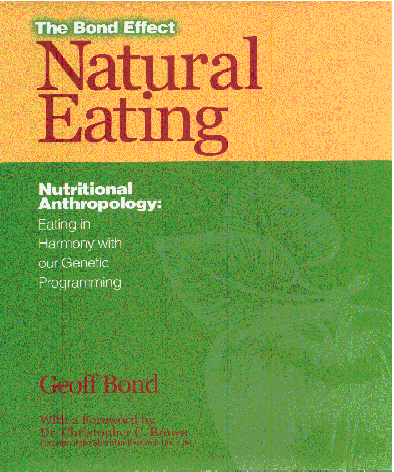
NATURAL
EATING GEOFF BOND |
Geoff Bond's |
||
|
Now Buy the Hard Copy! Now on Kindle! BRIEFINGS The most recent Bond Briefings are available by subscription Check out Geoff's Latest Book!
Nutritional Anthropology's Bible: by Geoff Bond
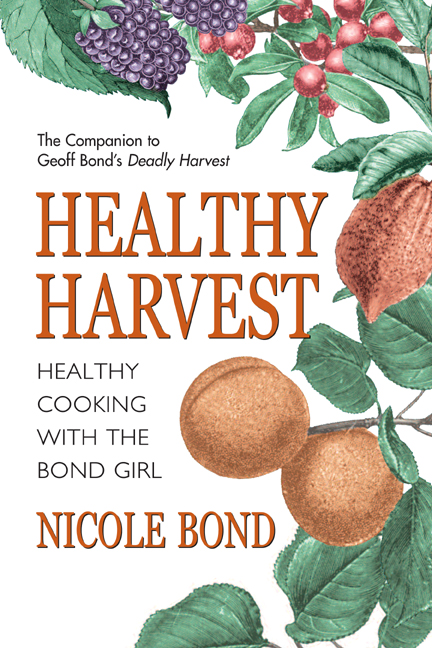
Healthy Harvest Information Page
|
CONTENTS
Preface: “Man alone amongst the living creatures tries to deny the laws of Nature”
Foreword
Introduction: Important Concepts Who is Natural Eating For? Chapter One: Joining up the Dots
Chapter Two: The Rewards Courage to the Sticking Place Weight Control Cancer and the Immune System Heart Disease, High Blood Pressure and Hardening of the Arteries Constipation, Colon Cancer, and Diverticulosis Stokes and Thromboses Diabetes Arthritis Improved Circulation and Complexion Osteoporosis Digestion Case Histories
Chapter Three: The Human story How it was Before Pre-farming Peoples Forensic Archeology Epidemiological Studies Clinical Trials Creatures with Human-like Body Plans The
Natural Eating Pattern Chapter Four: What is going wrong The Human Food Acquisition Apparatus Are Humans Carnivores? Are Humans Ruminants? Are Humans Granivores? Are Humans Lactivores? So when did matters start to go wrong? Our Body’s Incredibly Complex Chemical Factory
Chapter Five: What and How We Eat I. WHAT WE EAT Carbohydrates Proteins Fats and Oils Dairy Products The Acid/Alkali Balance in the Body Intestinal Health and De-toxification Good Novelties in the Human Diet The Acid/Alkali balance in the Body Intestinal Health and Detoxification II. HOW WE EAT Proper Food Combining The Importance of Small and Frequent Meals
Chapter Six: The Method Now That You Are Convinced Restructuring a Way of Thinking What to Expect The Consumption Priorities The Golden Rules for Natural Eating Hints and Tips Who is Natural Eating For? Baby/toddler Children/Adolescent Pregnant and Nursing Women Thirty Something The Menopausal Woman The Elderly Vegetarians and Vegans
1 Genetically Modified Foods 2 Bread 3 Caffeine 4 Dietary Supplements 5 Organic Foods 6 Sweeteners 7 Pesticides 8 Salt (Sodium Chloride) 9 Nutritional profile of the Natural Eating Pattern 10 Lifespan in Historical Times
Chapter Eight: The Food/Disease Connection I. Arthritis, Rheumatoid- and Osteo-arthritis, Multiple Sclerosis, Lupus II. Cardiovascular Diseases III. The Immune System, Cancer, Auto-immune Diseases: Allergies, Migraine, Asthma IV. Diabetes V. Overweight and Obesity VI. Osteoporosis VII.Digestive Diseases: Indigestion, constipation, colic, IBS, GOR, colon cancer, diverticulosis, piles… VIII.Candidiasis IX. Moreover Complexion, Acne, Pimples Cellulite Sex, Libido and Fertility Eye Disease: Macular Degeneration, cataract The Final Word
Chapter Nine: Practical Considerations General Principles Morning Time Mid-morning Now it is Lunch-time and Afternoon How to Survive in the Real World Come Dinner time Then What? Eating Away From Home Restaurants Fast Food Outlets Dinner parties How to get your Priorities Right How to Survive in the Real World Chapter Ten: The Ten Steps to Success
Chapter Eleven: Exercise The Genetic Foundations Exercise and Health Factors Optimum Exercise Pattern The Bottom Line Savvy Exercising for Weight Loss Nutrition For Competitive Sports Lifestyle Practices
Chapter Twelve: Recipes and Structuring the Day Vegetables Raw Vegetables Cooked Vegetables Sample Recipes Quick Fixes Starters Main Course Sauces/Dips Desserts Beverage Sample Daily Eating Patterns
Appendix One: Tables Good Foods Table 1: Good Foods to be Eaten in Bulk Table 2: Good Foods to be Eaten in Restricted Portions Glycemic Indexes Table 3: Bad Carbohydrates Table 4: Borderline Carbohydrates Table 5: Favorable Carbohydrates
|
|||
|
|
||||